Emergency Root Canals in Orlando
A deep, constant toothache that painkillers can't touch often points to an infected nerve.
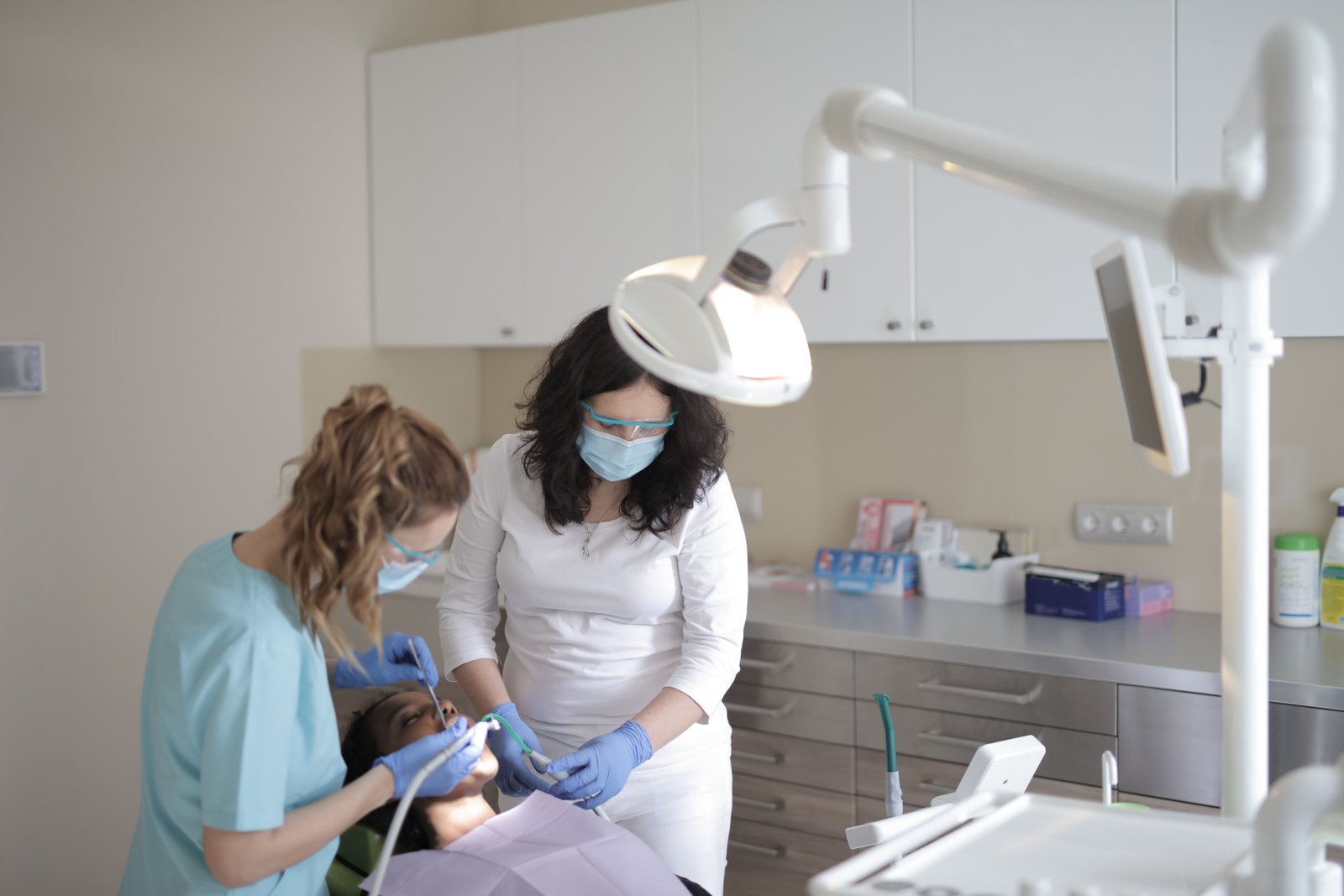
How to recognize a tooth that needs a root canal
Watch for strong, pulsing pain, particularly the kind that jolts you awake at night. Heat or cold may leave the tooth aching long after the drink is gone. The tooth can look gray or dark, the gums around it may feel sore or puffy, and you might spot a small pimple-like bump that releases pus.
All of these suggest the soft tissue inside the tooth is infected or dying. If nothing is done, the infection can reach the bone around the tooth.
A look at the procedure itself
After the tooth is thoroughly numbed, the dentist opens it, clears out the infected tissue, cleans and shapes the inner canals, and seals them with a safe filling material. A temporary filling then closes the access hole. A permanent crown is normally placed a few weeks later. Appointments commonly take around an hour or longer.
Soreness afterward
Most people say the original toothache was much worse than anything they feel following treatment. Some tenderness for a few days is normal and usually settles with over-the-counter pain relievers as directed on the label.
Intense pain, swelling, or a fever after the visit is not normal. Call {P} and we'll help you get follow-up care. Whether it's 2 a.m. in Downtown Orlando or a Sunday in Kissimmee, a throbbing nerve can't wait for Monday.
What the appointment is really like
The tooth is numbed and isolated with a small rubber sheet, a tiny opening is made in the top, the inflamed or dead nerve tissue is removed, and the canals are cleaned, shaped and sealed. A front tooth with one root takes about an hour. A molar has more canals and can run to ninety minutes or across two visits.
The pain people associate with root canals belongs to the infection beforehand, not the treatment. Afterwards expect two or three days of tenderness that ibuprofen handles, then nothing.
How to tell the nerve is already involved
- A deep throb that keeps time with your pulse, worse when you lie down
- Pain that lingers after hot or cold rather than passing in seconds
- Difficulty telling which tooth it is
- A tooth that has gone darker than its neighbours
- A tender bump on the gum above or below the root
- Pain that stops completely — which can mean the nerve has died
That last sign is the one that costs people teeth. A dead nerve usually turns into a dental abscess within weeks, and the relief is not recovery.
Saving it or removing it
A root canal keeps your own tooth, the bone around it and your existing bite. An extraction is quicker and cheaper today, then more expensive later if the tooth is replaced. Waiting is the only path with no advantage: an infected nerve does not recover, and the longer it runs the more often extraction becomes the only option rather than one of two.
A treated back tooth is more brittle than it was and almost always needs a crown afterwards to stop it fracturing. Ask when that will be fitted before you leave.
Where in the Orlando area we can get you in
Our network covers Downtown Orlando, Winter Park, Altamonte Springs, Kissimmee, Lake Nona, Dr. Phillips, Baldwin Park, College Park, Maitland, Oviedo, Winter Garden, Apopka, Sanford, Hunter's Creek and the wider Orange County area. A search for an emergency dentist near me ranks offices by distance; we rank them by who has a free chair, which matters more when I-4 or the 408 is moving slowly.
Visitors and short trips
Orlando practices treat out-of-state patients every week, so a problem that starts on holiday is familiar territory. The usual approach is a temporary repair built to last until you are home rather than the start of a plan you cannot finish here, plus your X-rays and notes to hand to your own dentist. Bring your insurance card even if the plan is from another state, and have anything that looks like an infection treated before you fly rather than after.
After hours, Sundays and walk-ins
Orlando has more extended-hours dental capacity than most metros of its size, a side effect of hosting visitors year-round, but very few offices are staffed overnight. You can reach an on-call dentist by phone at almost any hour — see is there a 24 hour emergency dentist in Orlando — and weekends run on a rotation, explained on the Sunday page. Walk-in slots exist and fill through the day, so a single call to (407) 634-1631 is quicker than driving between offices. If pain has woken you, tooth pain at night is the page to read while you wait, and how long you can wait tells you whether this is hours or days.
One local caveat: hurricane season can close offices for a day or two and push appointments back, and the week between Christmas and New Year is the hardest in the year to find a same-day slot anywhere in the metro.
What do dentists treat as an emergency?
Severe pain, a tooth that has been knocked out, one that is cracked or broken, an abscess, bleeding that continues, and fillings or crowns that have fallen out. Unsure which applies? Call (407) 634-1631.
Could I be treated today in Orlando?
Possibly. Orlando-area emergency dentists we work with reserve time for urgent cases, and we'll look for the closest appointment on your behalf.
Which is better for a bad toothache, the ER or a dentist?
For toothaches and infections a dentist is the stronger choice, since ERs lack the tools to treat teeth. Reserve the ER for facial swelling with fever, difficulty breathing or swallowing, an injured jaw, or bleeding that won't stop.
What affects the price of emergency dental care?
The price follows the type of exam, X-rays, and the treatment itself, and each office sets its own fees. Insurance may help, and some offices provide payment plans. Ask for an estimate in advance.
Do I have to book, or can I show up?
Walk-ins are accepted at some offices only. Calling (407) 634-1631 beforehand helps us place you with a dentist who is ready to see you.
What's the first step if my tooth is knocked out?
Hold the tooth by its crown, never the root, and rinse it softly. Place it back in the socket when you can, or put it in milk. Then call (407) 634-1631 right away, as a quick response gives the tooth its best chance.
Throbbing tooth in Orlando?
Call once and we'll start matching you with a same-day emergency dentist. Nerve pain tends to get worse, not better.